Homestyle Drunken Noodles for Cozy Dinners
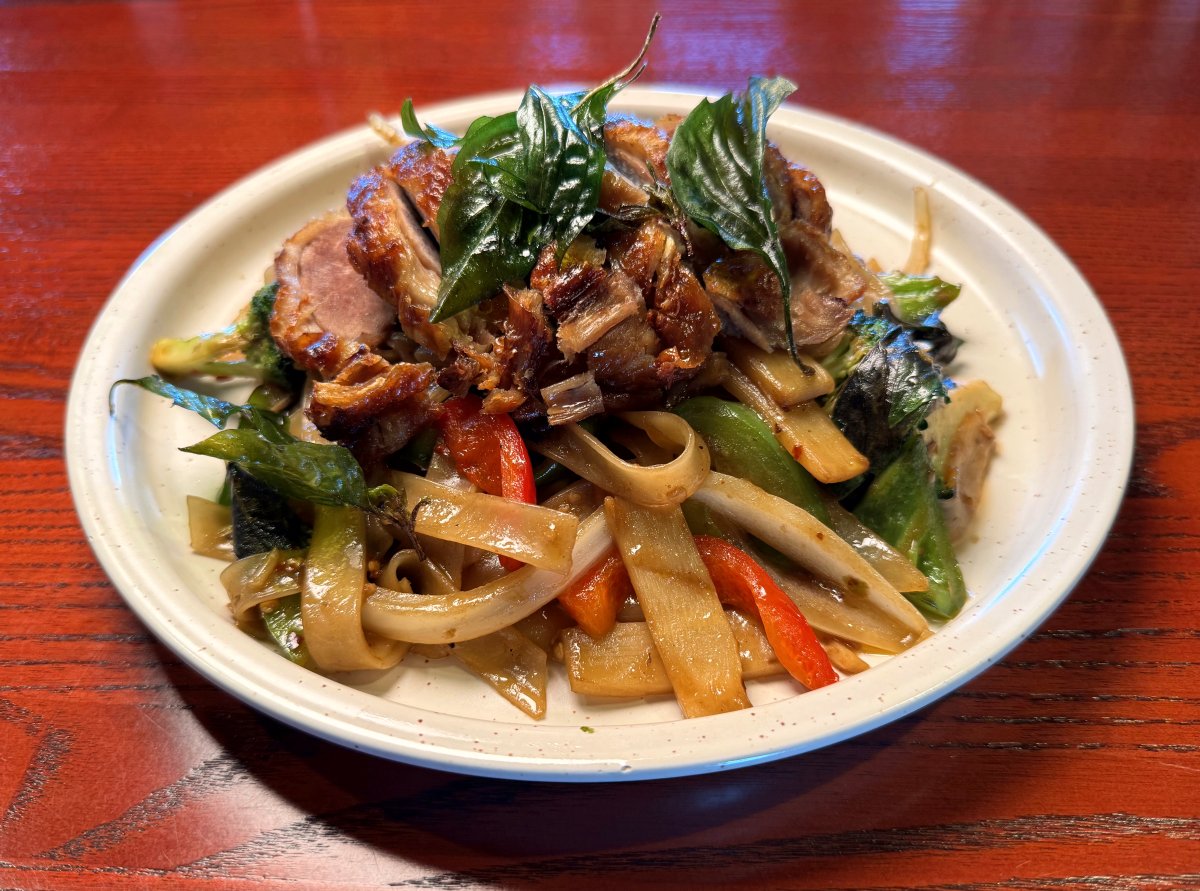
There are some dinners that feel larger than the effort behind them. A pan of Drunken Noodles belongs in that category. The noodles arrive glossy and tangled, the sauce clings in streaks of brown and gold, the basil perfumes the whole kitchen, and the heat settles in slowly enough to feel warming rather than punishing. For a cozy dinner at home, that balance matters. You want something bold and lively, but you also want dinner to feel grounding, generous, and deeply satisfying.
Homestyle Drunken Noodles, often inspired by Thai pad kee mao, have a particular charm when cooked outside a restaurant setting. At home, the dish becomes less about theatrical wok flames and more about judgment: when to soak or soften the noodles, how far to push the garlic before it turns bitter, when to add the basil so it wilts instead of blackens, and how much sauce the noodles actually need. Those choices are what separate a pan of decent noodles from the kind that disappears quietly because everyone at the table goes straight from talking to eating.
I have made versions of this dish in cramped weeknight kitchens, for solo dinners after a long day, and for casual evenings when friends drift in and hover near the stove. It is forgiving in some ways and demanding in others. The ingredients are accessible, but the cooking moves quickly. The flavors are direct, but a heavy hand can flatten them. Once you understand the rhythm, though, Drunken Noodles become one of the most reliable comfort meals you can keep in your rotation.
What makes Drunken Noodles so appealing at home
A good plate of Drunken Noodles lands in a sweet spot between comfort food and high-energy stir fry. The noodles are broad and soft, which gives the dish a soothing, almost blanket-like quality. At the same time, the aromatics, chiles, and basil keep it from feeling sleepy. It is warm and rich, but not dull. Saucy, but not soupy. Spicy, but not reckless.
That combination is especially welcome on cooler evenings or on nights when cooking feels like one more thing on an already crowded list. A dish like this asks for focus, not hours. With some prep done before the heat goes on, the actual cooking often takes around 10 minutes. The result tastes layered in a way that belies the short cooking time.
There is also a practical reason homestyle versions work so well. Restaurant Drunken Noodles often rely on very high heat, which produces the smoky edge people associate with wok cooking. Most home stoves cannot replicate that exactly, and trying too hard usually leads to steaming the noodles or scorching the sauce. The better strategy is to lean into the strengths of a home kitchen. Cook in smaller batches if necessary. Build flavor through a balanced sauce. Let the noodles pick up color in spots without insisting on total char. The dish still tastes full and vivid, just in a way that feels more relaxed and honest.
The flavor profile you are aiming for
The best Drunken Noodles are not simply spicy noodles. Heat is only one part of the picture. The dish should taste savory from soy-based seasoning, lightly sweet to round out the salt, and deeply aromatic from garlic and basil. There should be enough moisture to coat every ribbon of noodle, but not so much that the pan floods. If you are using protein, it should taste integrated rather than perched on top.
A common mistake is pushing one note too hard. Too much dark soy can make the sauce muddy and overly sweet. Too much fish sauce can dominate the room before anyone takes a bite. Too much sugar turns the dish sticky. Too many chiles bury the basil, which is one of the most important flavors in the pan. When the balance is right, you notice everything in sequence. First the noodles, then the sauce, then the basil and chile in the background, and finally the lingering warmth.
Texture matters just as much. Rice noodles can move from pleasantly chewy to gummy in a matter of minutes. Vegetables should stay a little crisp. Onions should soften but still hold shape. Protein should be cooked through without turning dry, which is why thin slices work better than thick chunks in this dish.
Choosing noodles without overcomplicating dinner
Traditional versions often use wide fresh rice noodles, and if you have access to those, they are excellent. They absorb sauce beautifully and bring the soft, slippery texture most people expect from Drunken Noodles. Fresh noodles do require a little care. If they are refrigerated, they often need to warm up so the sheets separate without tearing. Cold, compressed noodles are prone to breaking and clumping in the pan.
Dried wide rice noodles are more widely available and can produce a very good home version. The trick is not to boil them into submission. Depending on the brand, soaking or undercooking them slightly before the stir fry gives you more control. They should still have some resistance because they finish in the sauce. If they are fully tender before they hit the pan, they often collapse.
I have also seen people reach for linguine or fettuccine in a pinch. That can make a decent spicy noodle dinner, but it does not quite become Drunken Noodles. Wheat pasta lacks the same slick, yielding texture and does not absorb sauce in the same way. If the goal is convenience above all else, use what you have. If the goal is the dish itself, rice noodles are worth seeking out.
Building a sauce that tastes restaurant-worthy but still homemade
The sauce should be mixed before the pan gets hot. This is one of those dishes where stopping to measure in the middle almost guarantees something overcooks. A reliable sauce usually combines light soy sauce for salinity, dark soy sauce for color and a faint caramel edge, oyster sauce for body, a little fish sauce for depth, and a modest amount of sugar to soften the sharper corners. Some cooks add a splash of water or stock, especially when using dried noodles that need extra moisture to loosen.
There is no universal formula because ingredients vary in https://rylanhsbo455.stonefielddigest.com/posts/drunken-noodles-with-broccoli-peppers-and-basil intensity. Dark soy from one brand may be far sweeter than another. Oyster sauce can range from delicate to heavy. Fish sauce can be punchy even in teaspoon amounts. What matters is that the mixture tastes slightly stronger and saltier than you think it should. Once it coats the noodles, the force mellows.
If you want a starting point for four modest servings, this proportion works well in most home kitchens:
- 3 tablespoons light soy sauce
- 1 to 2 tablespoons oyster sauce
- 2 teaspoons dark soy sauce
- 1 to 2 teaspoons fish sauce
- 1 to 2 teaspoons sugar, adjusted to taste
That mixture produces a sauce that is savory and rounded without becoming sticky or overly sweet. If your basil is especially fragrant and your chiles are assertive, stay on the lower end with fish sauce and sugar. If your vegetables release a lot of water, a touch more oyster sauce helps the noodles keep their gloss.
The aromatics and vegetables that make the dish feel alive
Garlic is nonnegotiable. It provides the first wave of aroma and sets the tone for the whole dish. Shallots are excellent if you have them, though onion works well too. Fresh chiles give the dish its backbone. Thai bird's eye chiles are classic, but they are intense. For a cozier, more broadly appealing dinner, I often use a mix of one or two hot chiles and a milder red chile for color and fragrance. That approach gives you heat with more room for the other flavors.
Vegetables should support the noodles rather than turn the dish into a loaded stir fry. Chinese broccoli is traditional and ideal because the stems stay crisp while the leaves soften quickly. Broccolini, regular broccoli cut small, bell peppers, green beans, or snap peas can all work in a home version. I also like onion in this dish because it sweetens slightly and catches the sauce in its layers.
Then there is basil, which deserves better than being treated as a garnish. Thai basil is preferred for its peppery, almost anise-like aroma, but regular Italian basil is still very good in a home setting. It changes the profile, yes, but not for the worse. In fact, for cozy dinners, standard basil can make the dish taste rounder and softer. What matters most is adding a generous handful at the end and tossing just until it wilts.
Protein choices and the trade-offs that come with them
Chicken is probably the most common weeknight option because it cooks quickly and takes well to the sauce. Thinly sliced thigh meat stays juicier than breast, especially in the high, fast heat of stir frying. Pork also works beautifully, particularly if sliced thin and cooked just until the edges color. Shrimp bring sweetness and cook in minutes, though they can overcook just as fast. Tofu can be excellent if you take the time to brown it first. Ground chicken or pork produce a looser, saucier version that feels especially homey.
There is also a strong case for going lighter on the protein than many recipes suggest. In a dish built around noodles, too much meat can crowd the pan and mute the sauce. Around 8 to 12 ounces of protein for four servings is usually plenty, especially if you include vegetables. The dish should still feel like noodles first.
If you are cooking for mixed preferences, tofu and mushrooms together make a satisfying vegetarian version. The mushrooms bring savoriness that helps compensate for the absence of fish sauce or oyster sauce, though you may need a vegetarian stir fry sauce blend or a mushroom-based seasoning sauce to get similar depth.
The cooking rhythm that matters most
Drunken Noodles are not difficult, but they are fast. The entire dish benefits from mise en place, the habit of preparing everything before you start cooking. That phrase gets tossed around casually, but here it matters. Once the garlic hits the pan, the window for leisurely chopping is gone.
Set out your noodles, mixed sauce, sliced aromatics, vegetables, protein, and basil. Use the largest skillet or wok you have. Let it get properly hot before adding oil. A crowded cool pan leads to steamed ingredients and sticky noodles, which is the exact texture you are trying to avoid.
The sequence is simple, though each step needs attention:
- Cook the protein first until nearly done, then remove it if the pan feels crowded.
- Stir fry garlic, onion, and chiles briefly until fragrant.
- Add sturdier vegetables, then the noodles and sauce, tossing until the noodles loosen and absorb flavor.
- Return the protein, add leafy vegetables and basil, and toss just until everything is coated and glossy.
- Taste immediately, then adjust with a splash of soy, fish sauce, or water if needed.
What the recipe never fully tells you is that timing depends on your ingredients. Fresh noodles can go from tight clumps to silky strands in under a minute. Dried noodles might need an extra splash of water and a little patience. Bell peppers take longer than leafy greens. Shrimp should not go back in until the end. The pan tells you what to do if you watch closely. If things look dry, add a spoonful of water. If the noodles are breaking, stop stirring so aggressively. If the basil darkens instantly, the pan is too hot.
Mistakes that flatten the dish
The most common issue is oversoaked noodles. They seem fine in the bowl and disastrous in the pan. Instead of separate ribbons, you get a mass that drinks sauce unevenly and tears under the spatula. Slight undercooking before stir frying is safer than overcooking.
Another frequent problem is too much sauce added at once. The instinct is understandable because dry noodles look alarming. But a flooded pan prevents the noodles from frying and leaves them sodden. It is better to start with enough to coat, then add a little water or extra sauce if needed.
Heat management trips people up too. If your burner runs weak, patience matters more than aggression. Cook in batches instead of piling everything into one pan. If your burner runs hot, lower the heat for a moment before adding the garlic. Burned garlic gives the entire dish a bitter, stale edge that no extra basil can rescue.
Then there is underseasoning, which often happens when people fear fish sauce or dark soy. Drunken Noodles should taste assertive. Not salty for the sake of it, but clear and defined. Rice noodles are bland on their own. They need seasoning with confidence.
How to make the dish feel especially cozy
A restaurant plate of Drunken Noodles often leans hard into heat and intensity. For a cozy dinner, I usually soften the extremes without dulling the dish. That can mean using one fewer chile, increasing the onion slightly for sweetness, or adding a handful of mushrooms that absorb the sauce and make every bite feel more substantial.
Cooking the noodles a shade softer can also make the dish feel more comforting, especially in colder weather. Not mushy, just less springy. There is a difference between an energetic late-night plate and a dinner you want to eat curled up at the table with a glass of something cold and quiet conversation.
I also think the serving style changes the mood. Piled into a wide bowl rather than spread thin on a plate, the noodles stay warm longer and feel more abundant. A wedge of lime on the side can brighten the dish, though I use it sparingly. Too much acidity pulls it in a different direction. This is not meant to be sharp or sour. It should be rich, fragrant, and lively.
A practical homestyle version for weeknights
If you are cooking this on a Tuesday with one cutting board and limited patience, the most useful strategy is to simplify without flattening the dish. Buy pre-cut chicken if needed. Use broccolini instead of tracking down Chinese broccoli. Reach for dried wide rice noodles from a reliable supermarket brand. Use regular basil if Thai basil is unavailable. None of those choices ruin the dinner.
What does matter is balance and attention. Slice ingredients thin so they cook quickly. Mix the sauce ahead. Keep a little water nearby in case the noodles tighten. Taste before serving. Most importantly, stop cooking when the noodles are glossy and just tender. Too many home stir fries stay on the heat long after they are done because the cook is chasing some imaginary perfection. Drunken Noodles reward decisiveness.
I have made a very solid version with chicken thighs, onion, broccolini, dried wide rice noodles, regular basil, and a sauce mixed in a coffee mug because every small bowl was in the dishwasher. It still tasted like dinner worth sitting down for. That is the beauty of this dish. It carries itself well even when the setup is imperfect.
Leftovers, reheating, and what to expect the next day
Drunken Noodles are best fresh. That is simply the truth. Rice noodles continue absorbing sauce as they sit, and basil loses some of its brightness by the next day. Still, leftovers can be good if handled properly. Store them promptly and reheat in a skillet rather than a microwave when possible. A tablespoon or two of water helps loosen the noodles and revive the sauce. Medium heat works better than high because it warms the center without turning the edges gummy.
Do not expect the exact same texture you had on night one. Expect something softer, darker, and a little more mellow. Sometimes that second-day version has its own appeal, especially for lunch. The flavors settle into each other and the spice can feel rounder.
If you know you are cooking with leftovers in mind, hold back a little basil and stir in fresh leaves when reheating. That one small step wakes the whole dish up.
Why Drunken Noodles earn a place in the cold-weather dinner cycle
Some meals comfort by being gentle. Others comfort by being vivid enough to cut through the fatigue of the day. Drunken Noodles do the second thing. They bring heat, fragrance, chew, salt, sweetness, and herbaceous lift in one bowl. That complexity is exactly why they feel so satisfying on an ordinary evening. You get the pleasure of a dish that tastes dynamic, but the process remains grounded and manageable.
For anyone building a dependable roster of cozy dinners, this is the kind of recipe worth learning rather than just following. Once you understand the structure, noodles, sauce, aromatics, vegetables, basil, quick heat, you can adapt it to what is in the refrigerator and what the evening calls for. Make it hotter when you want a sharper edge. Make it softer and sweeter when comfort is the priority. Keep it meatless. Add shrimp. Use fresh noodles when you can find them. Use dried when you cannot.
That flexibility is what makes homestyle Drunken Noodles more than a restaurant imitation. At home, the dish becomes personal. It reflects your stove, your pantry, your tolerance for spice, and your idea of what a cozy dinner should be. When it comes together, it feels both generous and immediate, the kind of meal that fills the kitchen with enough aroma to make everyone ask when dinner will be ready. And the best answer is, very soon.
Nakhon Luang Thai Kitchen
Address: 805 Village Center Dr, Colorado Springs, CO 80919
Phone number: +17195315175
FAQ About Drunken Noodles
What makes it drunken noodles?
Drunken noodles, or Pad Kee Mao, get their name from the Thai word khi mao (meaning "drunkard"). They contain no alcohol. The name comes from the idea that the dish is a popular late-night meal to cure a hangover or a great food to eat with a cold beer.
What is the difference between pad see ew and drunken noodles?
While both Pad See Ew and Drunken Noodles use the same wide rice noodles, Pad See Ew is a mild, sweet-savory dish made with dark soy sauce and Chinese broccoli, whereas Drunken Noodles (Pad Kee Mao) are fiery, garlicky, and herbaceous with fresh chilies and Thai basil.
What are traditional drunken noodles?
Traditional drunken noodles, known as Pad Kee Mao in Thai, are a fiery, savory street food stir-fry made with wide flat rice noodles, fresh garlic, lots of hot chilies, meat or tofu, and fragrant holy basil. Despite the name, they contain no alcohol; the dish is traditionally eaten late at night or as a hangover cure because the intense spice helps clear the head.