Jamaican Food in Denver: Must-Try Dishes and Restaurants
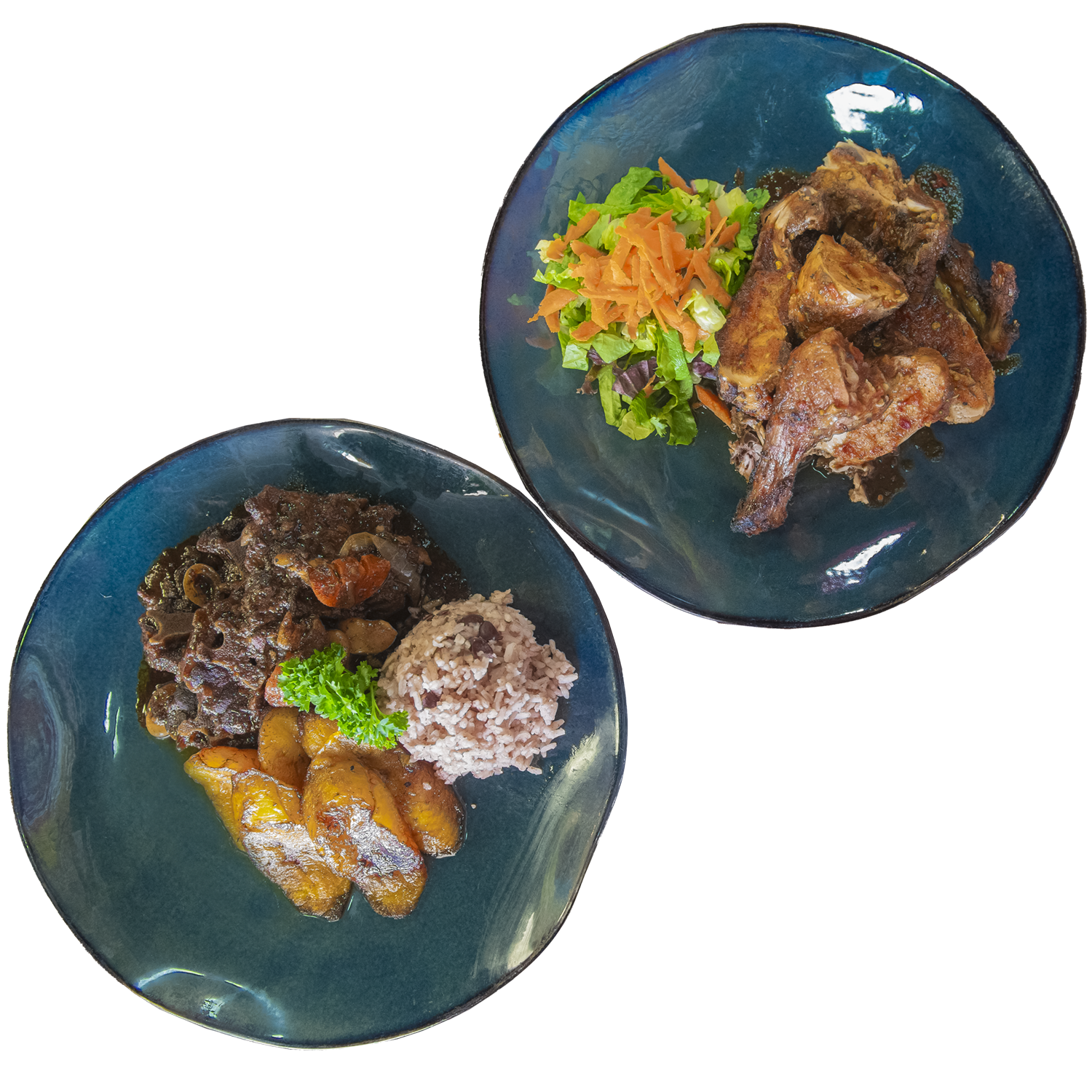
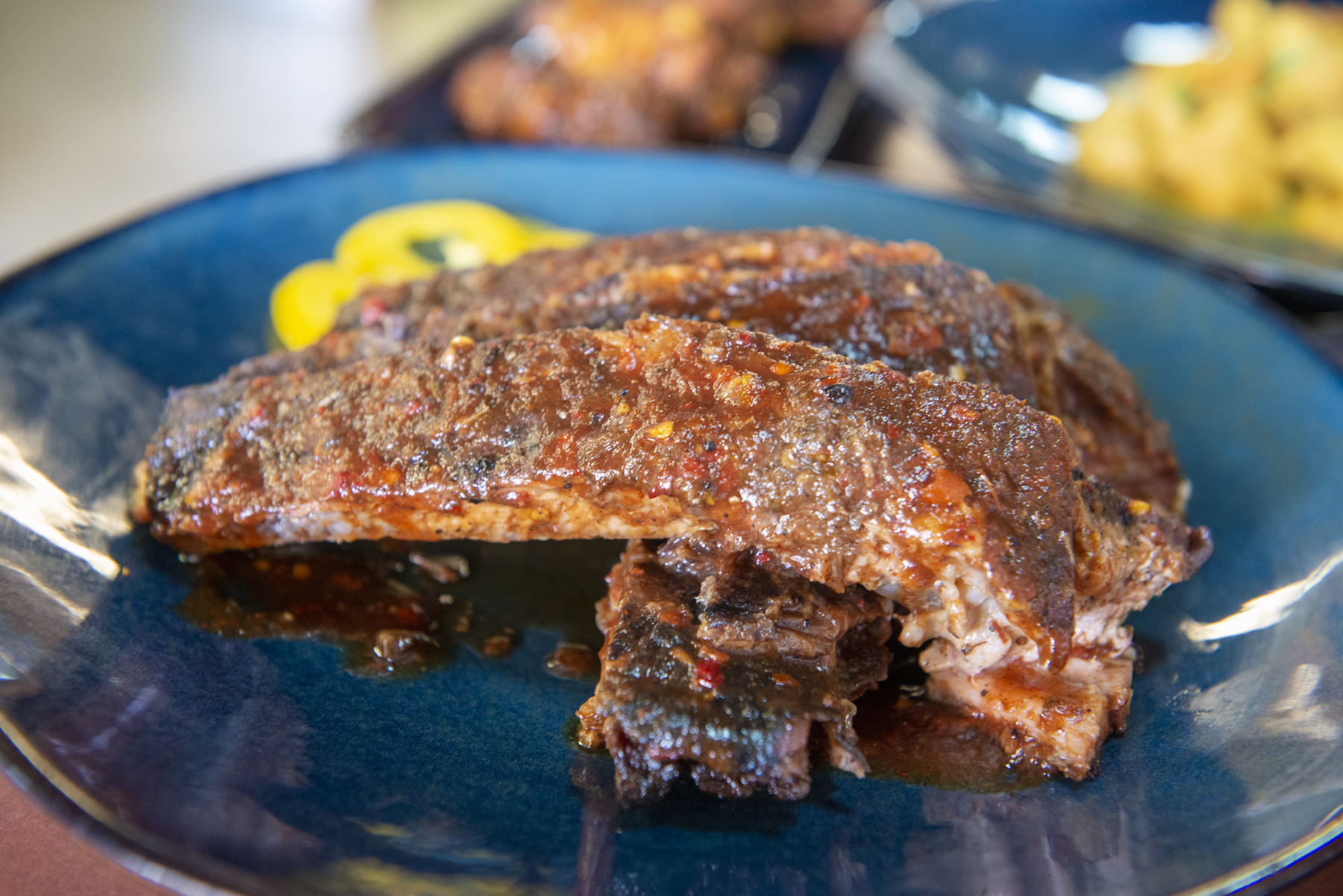
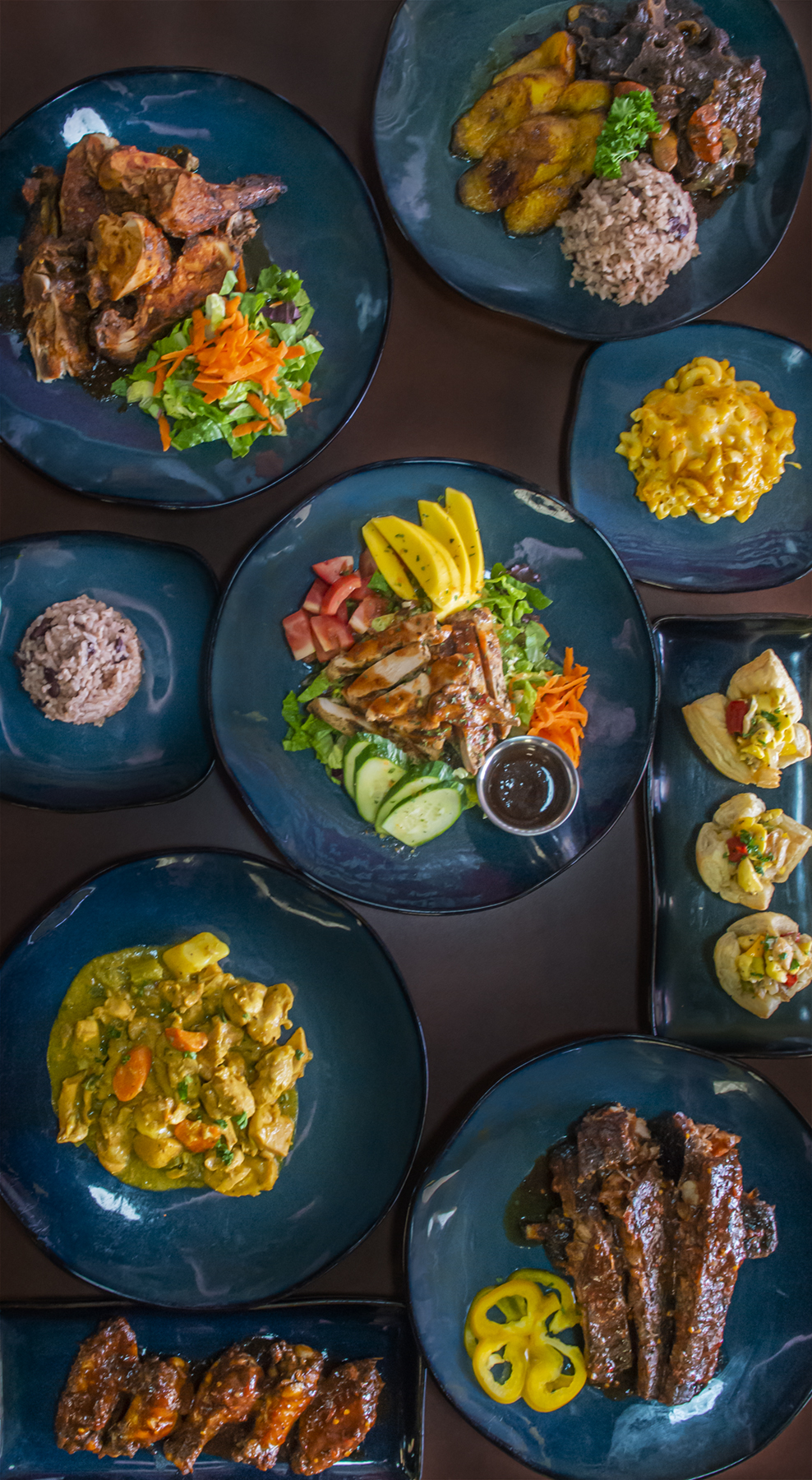
Denver is not the first American city people associate with Jamaican cooking. New York, Miami, Fort Lauderdale, and parts of Atlanta usually come up sooner, and for good reason. Their Caribbean communities are larger, older, and more visible. But that gap is exactly what makes finding great Jamaican food in Denver satisfying. You have to look a little harder, ask a few more questions, and pay attention to the details on the plate. When you do, you can find deeply seasoned jerk, proper braised oxtail, flaky patties, and sides that carry as much soul as the mains.
The key is knowing what to expect. In Denver, Jamaican food often lives in a smaller ecosystem. You will find a few dedicated restaurants, some broader Caribbean kitchens, occasional food trucks, and weekend pop-ups that disappear before the wider public catches on. Menus can change. Ownership can shift. A place that was mainly takeout last year may suddenly become one of the better sit-down options in its part of town. That fluidity means the best guide is not a giant directory. It is understanding the dishes, the cues of a serious kitchen, and the neighborhoods and business models where this food tends to thrive.
For anyone searching for jamaican food denver, that approach will get you farther than a stale roundup ever could.
What makes Jamaican food distinct, even in a crowded Caribbean category
People often flatten Caribbean cooking into one broad idea, but Jamaican food has its own personality. It is bold without always being hot. It leans heavily on allspice, thyme, scallion, Scotch bonnet, ginger, garlic, and browning sauce. Smoke matters. Marinade matters. Texture matters. Rice is not an afterthought. Gravy is not optional. Even a humble lunch plate should feel layered, not just spicy.
The best Jamaican meals balance force and warmth. Jerk chicken, done right, comes with char on the outside and real seasoning beneath the skin, not just heat painted on top after grilling. Oxtail should be sticky, dark, and rich, with a sauce that soaks into rice and peas without turning everything muddy. Curry goat should taste earthy and fragrant, not merely salty. Cabbage, plantains, and festival, when a restaurant offers them, should break up the meal with sweetness, softness, or crunch.
That balance matters in Denver because altitude and distance can make ingredient sourcing more uneven than it is in coastal cities with bigger Caribbean supply chains. A good kitchen compensates with patience and technique. You can taste when cooks understand that jerk is not just a spice blend and that rice and peas needs coconut milk, aromatics, and enough cook time to become its own dish.
The dishes worth ordering first
If you are new to Jamaican food, or if you have only had it once or twice, there are a few plates that reveal a kitchen’s strengths quickly. These are the ones I watch for because they expose shortcuts just as clearly as they showcase care.
- Jerk chicken: Look for smoke, char, and seasoning that reaches the meat itself. It should taste of pimento, thyme, and chile, not just bottled heat.
- Oxtail: The benchmark comfort dish. The meat should be tender enough to pull apart easily, and the gravy should feel glossy and reduced, never watery.
- Curry goat: A strong test of spice balance. Good curry goat carries warmth, depth, and a long finish, with meat that still tastes like itself.
- Beef patty: Ideal for a quick lunch or a first try. The crust should be flaky and lightly crisp, with a filling that is savory and well-seasoned.
- Rice and peas with cabbage or plantains: Sides tell you a lot. When these are treated seriously, the rest of the menu usually is too.
Jerk chicken is the plate most people order first, and it is also the dish most likely to disappoint when a restaurant cuts corners. A lot of places anywhere in the country, not just Denver, will season grilled chicken heavily and call it jerk. Real jerk has complexity. The heat should bloom gradually. You should smell allspice before the spice hits. There should be enough smoke or charring to give the outside edge. If the chicken tastes mostly like generic barbecue with pepper added, move on.
Oxtail is where a restaurant earns trust. It is expensive to prepare and impossible to fake convincingly. Good oxtail takes time. The fat and collagen need to melt into the sauce. The gravy should cling to the meat and stain the rice. If it looks pale or soupy, or if the meat fights back, the kitchen rushed it. When it is right, it is one of the most satisfying dishes in the city, regardless of cuisine.
Curry goat tends to be more nuanced than newcomers expect. Jamaican curry is not the same as Indian curry, though there is shared history in the seasoning tradition. A good version should not drown in powder. It should smell toasted and savory, with enough body in the sauce to coat each bite. Goat can be slightly firmer than beef, but it should never feel dry.
Then there are patties. A beef patty looks simple, but it is one of the clearest signs that a place respects the basics. The shell should shatter a little when you bite in. The filling should have body and spice. If you see coco bread on the menu, even better. A patty tucked into coco bread is one of those combinations that sounds modest and eats like a complete afternoon.
Where Jamaican food fits into Denver’s dining landscape
Denver’s Jamaican scene is compact, but that does not mean it is weak. It means you need a different strategy. In cities with huge Caribbean populations, you can compare ten jerk spots in one neighborhood. In Denver, quality often reveals itself through consistency, not volume. A place may have a short menu, a simple dining room, and a line of regulars who know exactly what they came for. That is usually a better sign than a broad menu trying to cover every island at once.
One of the names locals often mention is Reggae Pot, which has built a reputation as one of the city’s more recognizable Jamaican destinations. What makes a restaurant like that valuable is not novelty. It is reliability. When a place becomes the answer people keep giving to the question of where to find Jamaican food in Denver, pay attention to what it does best and order accordingly. In a smaller market, signature dishes matter more than encyclopedic menus.
Beyond dedicated Jamaican restaurants, it is worth paying attention to Caribbean kitchens in Denver and nearby Aurora that include Jamaican staples alongside dishes from other islands. Sometimes the best oxtail in a metro area does not come from a place with a giant storefront or polished branding. It comes from a family-run counter inside a modest strip center, where steam trays turn over steadily through lunch and the person taking your order gives honest advice about what is freshest that day.
Food trucks and pop-ups matter here too. Denver has always had an informal food culture that rewards mobility, from brewery lots to neighborhood markets and summer festivals. Jamaican cooking works well in that environment because jerk, patties, rice plates, and fried sides travel better than many people assume. A truck that is only around on weekends can easily be serving stronger food than a brick-and-mortar operation open seven days a week.
The trade-off is predictability. A permanent restaurant offers consistency and easier planning. A pop-up may offer better food on its best day, but you have to catch it. If you are serious about finding the best Jamaican food Denver has to offer, it helps to think like a local eater, not a tourist. Follow social accounts, check recent photos, and notice where repeat customers are eating, not just where search results are pushing you.
How to tell whether a restaurant is the real thing
Menus can sound promising and still lead to a flat meal. There are a few practical clues that help before the first bite.
First, look at the sides. If rice and peas, cabbage, and plantains seem central rather than ornamental, that is encouraging. A kitchen that takes those components seriously usually understands plate composition. Jamaican food is not just a piece of meat next to starch. The meal should feel integrated.
Second, notice whether the menu leans into braised items like oxtail, curry https://donovanyxuk601.northcrestbrief.com/posts/a-beginner-s-guide-to-jamaican-food-in-denver goat, and stew chicken. Those dishes require labor, inventory planning, and confidence. They are not usually the choices of a kitchen phoning it in.
Third, ask what sells out. Serious cooks will tell you. If the answer is oxtail by mid-afternoon or patties before dinner, that can be a very good sign. Sellouts are annoying for late arrivals, but they also mean people trust the food enough to show up early.
Fourth, be realistic about jerk. If a place is cooking for a broad lunch crowd, the heat level may be milder than what someone from Kingston or Montego Bay might expect. That alone is not failure. The question is whether the flavor remains intact. Heat can be adjusted. Depth cannot be faked.
Finally, consider the room itself. Jamaican restaurants are often at their best when they feel lived-in rather than staged. Good music, warm service, and regulars chatting at pickup time are not proof of quality, but they often accompany a kitchen with roots and confidence.
What to expect when you order in Denver
A plate lunch is still the smartest entry point. You get the protein, the rice, and a side or two, which means you taste the restaurant’s overall approach. Portions in Denver tend to be generous enough for leftovers, especially with oxtail and curry plates, so ordering one substantial dish instead of several scattered items often makes more sense.
If you are watching spice, ask directly. Jamaican food is flavorful first, hot second, but Scotch bonnet can sneak up on you. A thoughtful server will usually tell you which dishes are naturally milder and which ones carry more heat. If you like spice, ask whether they have house-made pepper sauce. When the answer is yes, use it carefully. A little can transform the plate. Too much can drown all the work that went into the seasoning.
Takeout is common, and some Jamaican dishes actually hold up very well on the ride home. Oxtail, curry goat, and rice and peas can taste even more settled after a short rest. Jerk chicken is the exception. It is usually best eaten as soon as possible, while the skin and edges still have structure.
There is also the altitude factor. Denver’s dry climate changes how people experience heat and salt. A dish that feels moderate in a humid coastal city can feel more intense here, especially if you are not drinking enough water. That sounds minor until you have a very peppery lunch and a long afternoon ahead.
A few combinations that rarely miss
For first-timers, I usually recommend building a plate around one rich main and one bright or sweet counterpoint. Oxtail with cabbage and rice and peas is a classic for a reason. The gravy gets absorbed by the rice, while the cabbage keeps the meal from feeling too heavy. Jerk chicken with plantains gives you smoke, heat, and sweetness in the same forkful. Curry goat with extra rice is practical because the sauce deserves room.
If patties are available, they make sense either at the start of the meal or as a separate lunch. They are especially useful if you are trying a restaurant for the first time and do not want to commit to a full dinner. A good patty tells you a lot for a relatively small investment.
Drinks matter more than people think. Ginger beer, sorrel when seasonal, and fruit-forward sodas all pair well because they stand up to spice and richness. If you are eating at home, a cold lager works nicely with jerk, while something nonalcoholic with bite, even sparkling water with lime, helps reset the palate between bites of heavier braises.
Restaurants, trucks, and pop-ups to keep on your radar
Denver does not have dozens of Jamaican restaurants, which means each good one matters. Instead of chasing a giant checklist, it is smarter to track a handful of reliable categories and names.
- Reggae Pot is one of the better-known anchors in the Denver conversation and a sensible place to start.
- Caribbean restaurants with Jamaican staples can be worth the trip, especially for oxtail, curry goat, and stew dishes.
- Food trucks at breweries and markets sometimes deliver the freshest jerk because volume is focused and menus are tight.
- Weekend pop-ups often showcase cooks with strong home-style technique and limited but excellent menus.
- Aurora and surrounding metro pockets deserve attention, since some of the best immigrant-run kitchens sit outside the most obvious central neighborhoods.
That list is deliberately practical rather than exhaustive. Restaurant scenes like this change quickly. A truck can become a storefront. A beloved counter can quietly close. A pop-up can disappear for three months and return stronger. If you want a sure thing, check recent customer photos, not just old reviews. Look for pictures of the actual steam table, the color of the gravy, the char on the jerk, and whether the rice looks like it was cooked with intention.
This is also a category where timing matters. Lunch can be the sweet spot because turnover is high and braised dishes are fully developed. Late evening can be excellent too, but only if the restaurant manages inventory well. Mid-afternoon is more hit or miss. That is when you are most likely to hear that the oxtail is gone or that the patties sold out before you got there.
The dishes locals come back for
Ask enough regulars what they reorder and you will hear the same answers. Oxtail for comfort. Jerk chicken for flavor and smoke. Curry goat for depth. Patties for convenience. The common thread is that Jamaican food rewards repetition. A great plate is not flashy. It is memorable because the seasoning lingers, the textures make sense, and the entire meal feels composed.
That matters in a city like Denver, where diners can get distracted by novelty. There is always a new opening, a new tasting menu, a new concept with polished branding. Jamaican food does not need any of that to win people over. It wins on aroma, tenderness, crust, gravy, heat, and hospitality. It wins when someone takes one bite of rice dragged through oxtail sauce and immediately understands why people become loyal.
Denver’s best Jamaican food also serves a wider purpose. It adds depth to a city that is still defining its culinary identity beyond the usual talking points of green chile, steakhouses, breweries, and mountain-town comfort food. Every time a strong Caribbean kitchen finds an audience here, the dining scene gets more honest and more interesting.
Getting the most from your search for jamaican food denver
The smartest way to approach the hunt is with equal parts openness and discernment. Be open to a modest storefront, a truck parked outside a taproom, or a menu that only has a handful of mains. Be discerning about technique. Look for real braising, real seasoning, and sides that are treated as part of the meal rather than filler.
If you only try one dish, make it oxtail or jerk chicken, depending on your mood. If you want the clearest read on a kitchen, add rice and peas and a side of cabbage. If you see patties by the register, do not overthink it, order one. And if a place has sold out of the thing you wanted by mid-afternoon, that can be frustrating, but it is often the sort of frustration that points you in the right direction. Come back earlier next time.
Jamaican cooking thrives on care, not shortcuts. Denver may not have the largest Jamaican restaurant scene in the country, but it has enough talent to reward anyone willing to pay attention. The best meals are full of contrast, smoke against sweetness, rich gravy against bright cabbage, slow-cooked depth against a burst of chile. Find a restaurant that gets those balances right, and you will stop thinking of this as a niche craving. It becomes one of the most satisfying meals in town.
Reggae Pot Jamaican Grill
Address: 2243 S Monaco St Pkwy #104, Denver, CO 80222
Phone number: +17204102956
FAQ About Jamaican Food Denver
What is typical Jamaican food?
Typical Jamaican food features bold, vibrant flavors created by blending African, Taino, European, and Asian influences.
What is a famous Jamaican dish?
Ackee and saltfish is Jamaica's national dish, made by sautéing the soft local ackee fruit with salted cod, onions, tomatoes, and spicy Scotch bonnet peppers.
What food is most popular in Jamaica?
The most popular and famous food in Jamaica is Jerk Chicken, celebrated worldwide for its smoky, spicy flavor.