Jamaican Food Trends That Are Winning Over Food Lovers
Jamaican food has moved well beyond the old shorthand of jerk chicken and rum punch. Those classics still matter, and they should, but what is winning over food lovers now is the full range of the cuisine: smoky techniques, deep spice layering, produce-driven cooking, vibrant breakfast staples, street snacks, and a style of hospitality that turns a meal into a memory. Across restaurants, food trucks, pop-ups, home kitchens, and social media feeds, Jamaican cooking is being appreciated with more nuance than it was even a decade ago.
Part of that shift comes from broader exposure. More travelers return from Kingston, Montego Bay, Portland, and Negril talking not just about beaches, but about pepper shrimp eaten roadside, flaky patties grabbed between errands, and soup simmering in a pot that seemed to feed half the block. Another part comes from chefs in the Caribbean diaspora who have stopped toning down the food to fit outside expectations. They are serving it with confidence, naming ingredients precisely, explaining regional differences, and letting diners discover that Jamaican food can be rustic, elegant, fiery, soothing, and technically refined, sometimes all in the same meal.
The appeal is not accidental. Jamaican cuisine hits several desires that modern diners tend to have at once. People want food with identity, not just flavor. They want dishes that carry history. They want bold seasoning, but they also want freshness. They want comfort food that does not feel generic. Jamaican cooking answers all of those needs.
The rise of jerk as a craft, not a flavor label
For years, “jerk” was one of the most misunderstood words on menus outside Jamaica. It got reduced to a sweet, mildly spicy sauce or a seasoning blend sprinkled over grilled meat. What food lovers are responding to now is the real thing: jerk as a technique, a profile, and a tradition shaped by marination, smoke, spice, and patience.
Proper jerk cooking is not just heat from Scotch bonnet. It is allspice, thyme, scallion, ginger, garlic, and a savory backbone that develops over time. When cooked over pimento wood, or at least over charcoal with smoke handled carefully, the result has complexity that cannot be faked with bottled glaze. You taste the char first, then sweetness, then herbaceous notes, then the slow-building fire. That sequence is part of the pleasure.
What has changed is that more chefs are treating jerk with the respect usually given to barbecue traditions from the American South or regional grilling https://johnnyvnjl705.summitviewdaily.com/posts/the-rise-of-jamaican-food-in-global-dining cultures in Latin America. They are talking about wood choice, marination length, and the difference between chicken pieces that stay juicy over live heat and cuts that dry out too quickly. Diners notice the difference. A well-made jerk chicken quarter with crisped edges and moist flesh is hard to forget. So is jerk pork with enough smoke to linger on your clothes after dinner.
Jerk is also expanding beyond chicken without becoming gimmicky. Fish, lamb, tofu, and mushrooms can all work when the cook understands how the seasoning behaves on different textures. The best versions are not trying to prove a point. They simply respect the balance of the marinade and the cooking method. That restraint matters. Not everything benefits from aggressive heat, and not every protein carries smoke well. Good cooks know where to push and where to stop.
Patties are having their well-earned moment
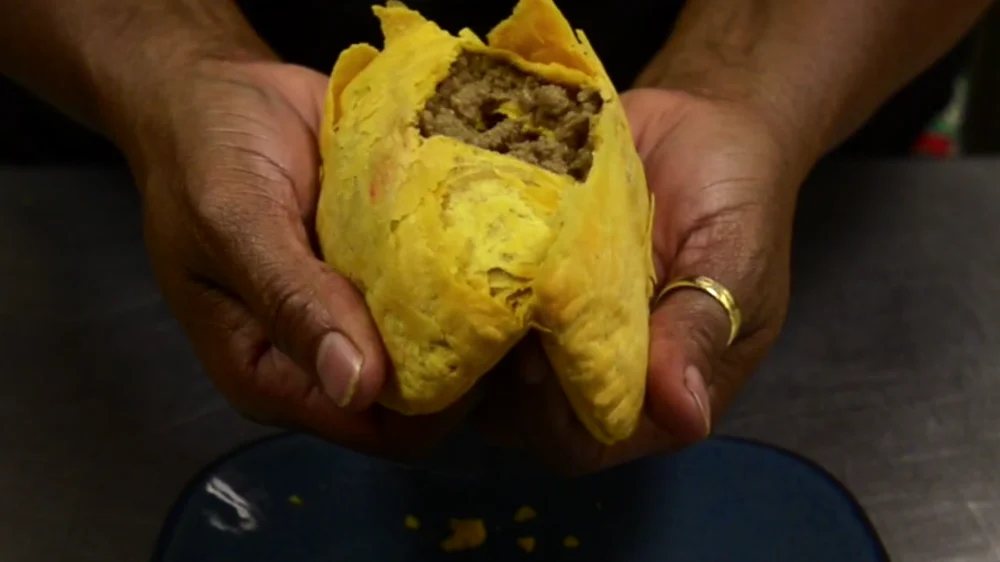
Few foods bridge convenience and cultural depth as well as the Jamaican patty. It is portable, affordable, and deeply satisfying. It is also more technically difficult than it looks. A great patty needs a pastry shell that shatters lightly without turning dry, and a filling that stays moist, seasoned, and cohesive without becoming pasty. When it is done right, you get texture, spice, and richness in a few bites.
Food lovers have embraced patties partly because they fit modern eating habits. They work for lunch, late-night cravings, quick breakfasts, and casual entertaining. They travel well. They invite variation. Most importantly, they deliver a lot of flavor with no ceremony. In cities with strong Caribbean communities, patties have long been a staple. What is changing now is their wider recognition among diners who may have encountered them for the first time at a market stall, bakery, or chef-driven café.
Beef remains the anchor, and for good reason. A properly seasoned beef patty, with onion, pepper, thyme, and enough chile to wake up the palate without flattening it, has enduring appeal. Yet the current wave of enthusiasm also includes fillings like curry chicken, callaloo, saltfish, lobster in high-end interpretations, and plant-based blends built on lentils or mushrooms. Some are excellent. Some are less convincing. The shell can hide flaws for only so long.
The strongest patty makers understand that innovation should start with structure. If the pastry is weak, no luxury filling will save it. If the spice is muddy or timid, the product becomes just another hand pie. The shops winning loyal customers are the ones that keep the pastry crisp, the color golden with a slight yellow hue from turmeric or curry powder, and the filling assertive enough to taste unmistakably Jamaican.
Breakfast culture is crossing over
One of the quieter but more important trends is the growing fascination with Jamaican breakfast. For years, outside audiences often focused on dinner plates and grilled meats. Now more diners are discovering ackee and saltfish, fried dumplings, callaloo, boiled green banana, yam, and porridge. That matters because breakfast reveals the cuisine’s balance of comfort, thrift, nutrition, and bold seasoning.
Ackee and saltfish is finally being appreciated for what it is rather than treated as an exotic curiosity. At its best, the dish is delicate and savory, with ackee’s soft, buttery texture carrying salt cod, onion, tomato, Scotch bonnet, and herbs. It does not need to shout. It wins people over through balance. Served alongside fried dumpling or roasted breadfruit, it feels complete in a way that many trend-driven brunch dishes do not.
Porridge is another category gaining ground, especially among diners interested in traditional grain and root-based breakfasts. Cornmeal porridge has warmth and familiarity, yet the addition of spices like cinnamon and nutmeg, plus condensed milk or coconut milk depending on the household, gives it a distinctive character. Peanut porridge, often richer and more filling, speaks to the practical intelligence of Jamaican home cooking, where flavor and sustenance go together.
Restaurants that introduce breakfast thoughtfully often gain a more faithful customer base than those that rely only on dinner. People may try jerk once out of curiosity. They come back for a breakfast that comforts them. That pattern shows up often in neighborhood spots. The morning crowd tends to know exactly what good callaloo should taste like and whether a dumpling is too dense. Winning them over is not easy, but it is usually a sign that the kitchen knows what it is doing.
Plant-based Jamaican cooking feels natural, not forced
One reason Jamaican food is resonating so strongly right now is that plant-based eating fits the cuisine more naturally than some outsiders expect. This is especially true when cooks draw from Ital traditions, Rastafarian foodways, and the long habit of making vegetables, legumes, and ground provisions feel substantial and deeply seasoned.
Callaloo, pumpkin, cabbage, red peas, plantain, breadfruit, cassava, sweet potato, coconut, okra, and beans all have long-standing roles in Jamaican kitchens. They are not token substitutions. They are core ingredients. When chefs build plant-based menus from that reality instead of trying to imitate meat at every turn, the results are far more persuasive.
A curry chickpea dish with proper body, coconut rundown made with vegetables that hold texture, or roasted breadfruit served with spicy escovitch-style vegetables can satisfy serious eaters without apology. The same goes for stewed beans over rice and peas, especially when the seasoning has depth and the cooking liquid has been reduced enough to cling rather than pool.
This trend also appeals to diners who care about value. A plate centered on vegetables and legumes can be generous without becoming expensive in the way imported proteins often are. Of course, ingredient prices vary, and quality produce is not cheap everywhere, but the cuisine offers many ways to create fullness and complexity without leaning on costly cuts of meat.
Heat with character, not heat for spectacle
Spicy food remains a major draw, but the most admired Jamaican dishes are not popular because they are punishing. They are popular because the heat has character. Scotch bonnet brings fruitiness as well as fire, and skilled cooks use it to sharpen flavor rather than dominate every bite.
That distinction matters in an era when some restaurants chase viral attention with challenge-level spice. Jamaican cooking generally works from a different philosophy. Even when a dish is very hot, there is usually sweetness, acidity, smoke, or herbal fragrance nearby. Pepper sauce at the table lets diners adjust intensity. A cook may split whole peppers into a pot to perfume the dish without making it unbearable. These details show experience.
Escovitch fish offers a good example. The pickled vegetables, usually including carrot, onion, and chile, cut through the richness of fried fish while adding brightness and snap. The heat is not there for stunts. It is there to keep the plate lively. The same can be said for pepper shrimp or a bowl of soup that gathers warmth steadily rather than attacking the mouth on first contact.
Food lovers appreciate this because it rewards attention. The spice unfolds. It does not simply overwhelm.
Street food aesthetics are influencing restaurant dining
Another reason Jamaican food is winning over diners is that street food has become a source of inspiration rather than something chefs feel pressure to “elevate” beyond recognition. Roadside jerk pans, soup men with early-morning regulars, patty shops, and fry fish stalls all shape the way contemporary restaurants plate, season, and pace a meal.
That influence shows up in a few ways:
- Menus are becoming more focused, with a handful of dishes done repeatedly and well.
- Smoke, char, and fresh pepper are being treated as finish notes, not hidden beneath sauces.
- Casual formats like lunch boxes, combo plates, and grab-and-go pastry service are gaining respect.
- Whole fish, soup, and side dishes are receiving as much attention as signature proteins.
- Dining rooms are embracing informality without sacrificing kitchen standards.
This matters because Jamaican food loses something when it is over-polished. The cuisine has elegance, but it is often an elegance of confidence rather than fuss. A tray lined with foil, a generous spoonful of rice and peas, jerk gravy soaking into festival, and slaw or steamed cabbage on the side can be more satisfying than a carefully stacked tower on designer ceramics.
At the same time, there is room for refinement. Skilled chefs can sharpen presentation, control portions, source better produce, and lighten certain preparations without draining them of soul. The best places do not mimic the street. They learn from its directness.
Regional and household specificity is finally being valued
One of the healthiest signs in the current conversation around Jamaican food is that people are starting to ask better questions. Instead of assuming there is one definitive version of every dish, more diners want to know whose version it is, what region it comes from, and how a family traditionally prepares it. That shift opens the door to a richer understanding of the cuisine.
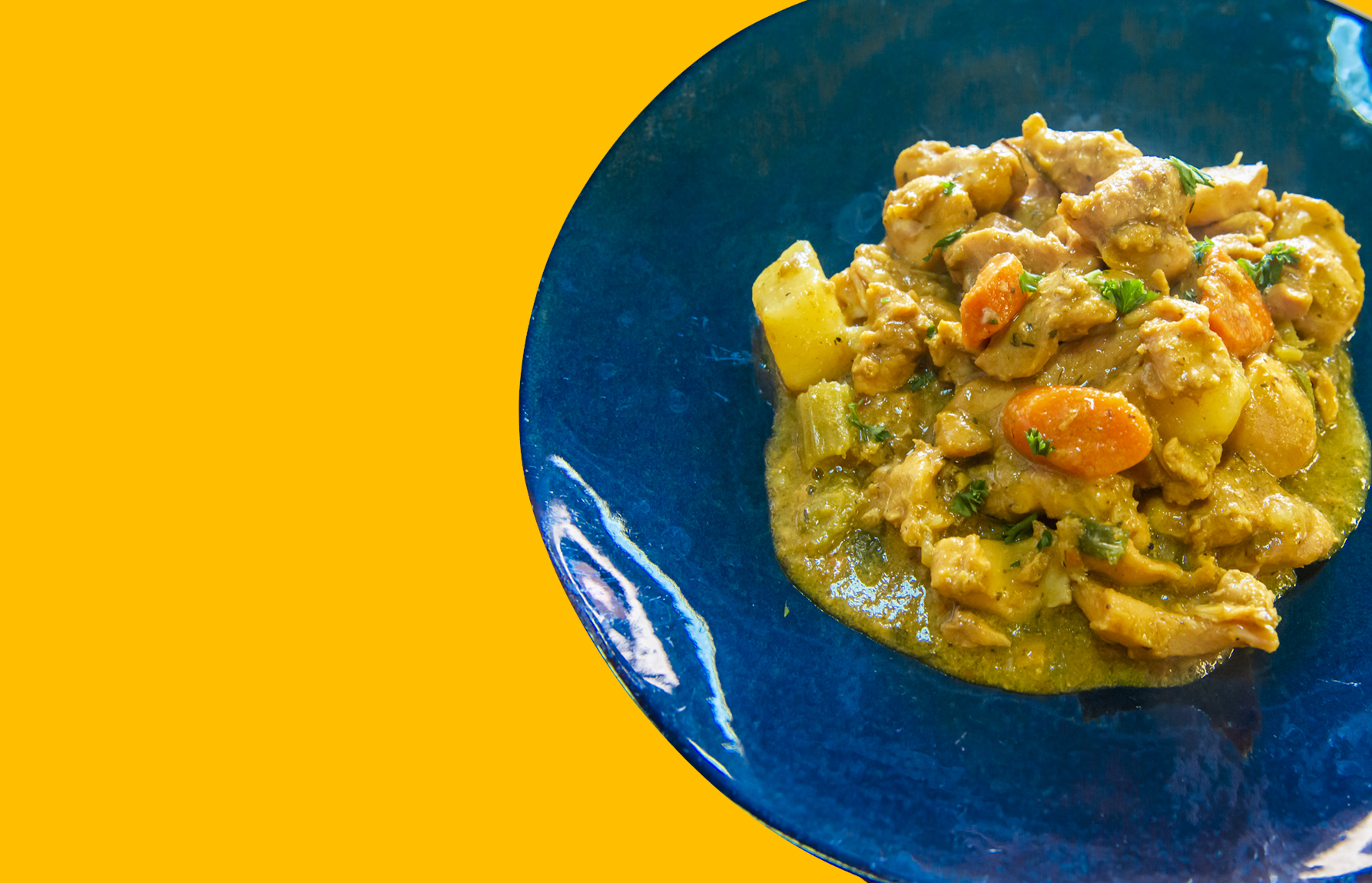
Anyone who has spent time around Jamaican cooks knows that recipes often live in memory and habit rather than precise measurements. One household’s brown stew chicken may be darker, sweeter, or more tomato-forward than another’s. One cook’s mannish water may be more peppery, another’s more herbal. Even rice and peas can vary in coconut intensity, bean choice, and texture.
Food lovers increasingly welcome that variation. They are less likely to demand false standardization and more likely to appreciate that authenticity often comes with contradiction. That is good for cooks, because it allows them to stand behind their own traditions rather than flattening them into a single crowd-pleasing formula.
This trend also encourages storytelling that feels grounded. A menu note about a chef’s grandmother using breadfruit in season or a vendor sourcing callaloo from a nearby farm gives context without turning the meal into a lecture. The food remains central, but the story deepens the bite.
Rum, sorrel, and nonalcoholic pairings are getting smarter
Beverage programs have improved significantly in places serving Jamaican food, and that has helped bring in a wider audience. For a long time, pairings were often limited to rum punch, beer, or sweet tropical cocktails. Those still have their place, but more thoughtful drinks now complement the food’s spice, smoke, and richness.
Rum flights are one route, especially when staff can explain differences in age, funk, oak influence, and sweetness. Yet some of the smartest pairings are simpler. A sharp sorrel drink with ginger can cut through fatty jerk pork beautifully. Fresh juices with soursop, guava, pineapple, or grapefruit can cool the palate without becoming syrupy. Coconut water, when served cold and clean-tasting, works especially well with heavily spiced dishes.
For nonalcoholic drinkers, this is an important development. Too often, they are handed something cloying. Jamaican food deserves better. The cuisine’s balance of heat, salt, sweetness, and acidity pairs well with drinks that have tension, not just sugar.
Social media helped, but repeat business depends on substance
There is no denying that social media has played a role in the spread of Jamaican food culture. Videos of smoke rolling off jerk drums, patties breaking open, oxtail gravy coating rice, and cocoa bread sandwiches have brought massive attention. The visual appeal is obvious. Charred surfaces, rich gravies, bright peppers, and golden pastry perform well on camera.
But the places that endure are not the ones that only look good in a 15-second clip. They are the ones where seasoning is layered properly, service is warm, portions feel fair, and dishes hold up across a busy shift. Oxtail is a good example. It became highly visible online, and demand surged. Yet it is also expensive, labor-intensive, and easy to mishandle. Poorly trimmed oxtail becomes greasy. Under-braised oxtail disappoints. Over-sweetened gravy turns heavy fast.
Experienced operators know when to feature a dish, when to limit quantities, and when to educate diners about alternatives. Goat, stew peas, curry shrimp, or even a very good baked fish can satisfy the same customer looking for depth and comfort, sometimes at a better price point and with less strain on the kitchen.
That practical judgment is part of why Jamaican food is building staying power. The best businesses are not chasing every trend. They are adapting without surrendering their standards.
What diners are learning to appreciate
The growing popularity of Jamaican food is not based on novelty alone. It rests on a set of qualities that become clearer the more people eat it.
- Seasoning is layered rather than one-note.
- Sides matter as much as mains.
- Texture plays a major role, from crisp pastry to soft ackee to smoky bark on jerk.
- Heat is often balanced by sweetness, acid, or starch.
- Hospitality is part of the flavor, not a separate category.
Those may sound like simple truths, but they shape the dining experience in powerful ways. A plate of curry goat with rice and peas, cabbage, and fried plantain is satisfying because each element has a job. The gravy seeps into the rice. The cabbage brings softness and relief. The plantain adds sweetness and caramelized edges. Taken together, the meal feels composed even when served casually.
That sense of completeness is one reason food lovers return to Jamaican cooking. The cuisine understands appetite. It knows when to comfort and when to wake up the palate. It can feed a crowd, but it can also express remarkable precision.
The future looks broader, not trendier
If current momentum continues, the next phase for Jamaican food will not be about becoming more fashionable. It will be about becoming more fully understood. Diners are ready for wider regional representation, stronger breakfast and soup programs, more serious pastry work, and menus that showcase produce with the same pride given to meat. They are also ready for chefs to claim complexity without explanation fatigue.
That is a healthy direction. The goal should not be to fit Jamaican cuisine into whatever the food industry currently rewards. The goal should be to let the cuisine show its own range. Some nights that means a foil pan of smoky jerk by the roadside. Other nights it means carefully fried snapper with escovitch vegetables and a balanced sorrel spritz in a polished dining room. Both belong.
What food lovers are responding to, more than anything, is honesty. They can taste when a dish comes from tradition, practice, and confidence. Jamaican food offers that in abundance. It has strong flavors, yes, but also stronger identity. That is why these trends are not passing fads. They are signs that more people are finally tasting the cuisine on its own terms, and liking what they find.
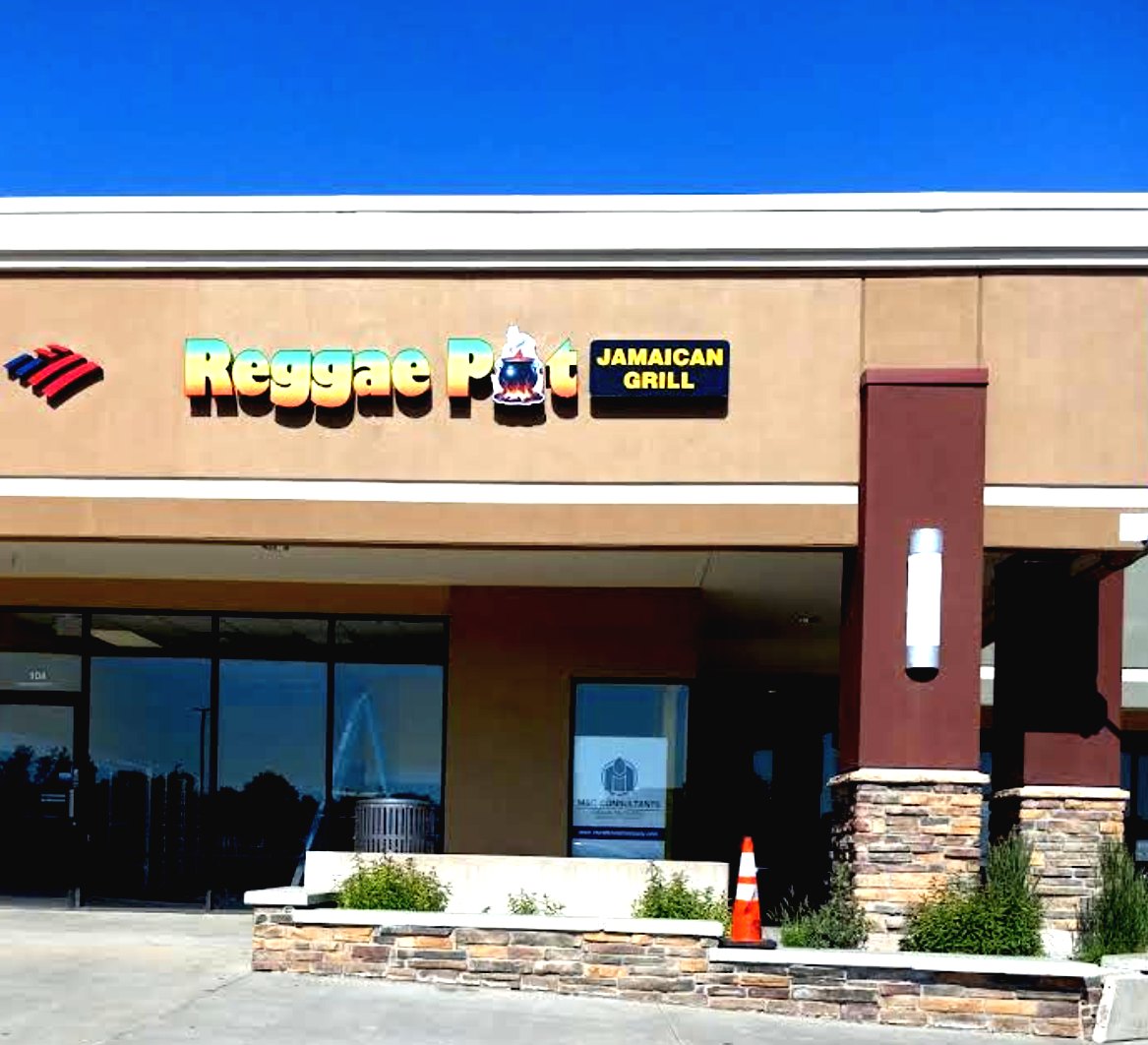
Reggae Pot Jamaican Grill
2243 S Monaco St Pkwy #104
Denver, CO 80222
+1 720-410-2956
FAQ About jamaican food
What is the best Jamaican food to try in Denver?
The best choice depends on your tastes. Popular options include jerk chicken, curry goat, slow-cooked oxtail, and savory patties. Reggae Pot lists these dishes on its menu, with sides such as rice and peas and plantains. Ask the Denver team about current availability and spice levels.
Is Jamaican food very spicy in Denver?
Heat varies by dish and preparation. Jerk seasoning often includes scotch bonnet peppers alongside herbs and allspice, while other dishes may have gentler seasoning. Ask about the heat of the specific dish and any sauce before ordering.
What are some popular Jamaican snacks?
Jamaican patties are a popular snack made with flaky pastry and savory meat or vegetable fillings. Other options include fried dumplings and festival, a sweet fried dough often served with savory dishes. Availability varies, so check the current menu when ordering.