Southern Restaurant Pittsburgh, PA: Perfect for Weekend Dining
Weekend dining asks for something different from a weekday meal. On a Tuesday, most people want speed, reliability, and a check that lands before the parking meter expires. Saturday night is another story. You want a room with warmth, food that rewards a slow pace, and dishes sturdy enough to feel like an occasion without turning stiff or formal. That is exactly where a good southern restaurant Pittsburgh, PA diners can rely on tends to shine.
Southern cooking has always understood the social side of a meal. It is generous by design. Plates arrive built for passing, comparing, and leaning across the table to say, “Try this.” A basket of biscuits can reset a whole mood. Crisp fried chicken can carry a table from casual lunch into celebratory dinner. Shrimp and grits, when they are done properly, hit that rare middle ground between comfort food and restaurant craftsmanship. For weekend plans, that combination matters.
Pittsburgh is an especially good city for this kind of dining. It has neighborhoods that reward wandering, old industrial grit balanced by a strong hospitality culture, and diners who tend to appreciate substance over flash. A southern restaurant here does not need to copy Charleston or Nashville outright to succeed. In fact, the best ones usually do not. They take the structure of southern cooking, deep seasoning, slow braises, cornmeal crusts, smoked meats, peppery greens, layered sauces, and make it fit the pace and appetite of western Pennsylvania.
Why southern food works so well on weekends
There is a practical reason southern food feels made for Fridays, Saturdays, and long Sunday meals. Much of the cuisine is rooted in techniques that take time, not just talent. Smoked pork needs patience. Braised oxtails or short ribs need a steady hand and enough kitchen discipline to hold texture without drying out. Mac and cheese worth ordering at a restaurant cannot taste like an afterthought. Even a seemingly simple side such as collard greens often tells you whether a kitchen knows what it is doing.
That time investment changes the dining experience. You are not just paying for ingredients. You are paying for attention, sequencing, and restraint. A weekend meal gives you the space to notice that. There is also a psychological piece to it. Southern flavors are often assertive, smoky, buttery, tangy, spicy, sweet in controlled measure. After a workweek of grab-and-go lunches or tired takeout, those flavors can feel restorative.
A good southern restaurant Pittsburgh, PA locals recommend for weekend dining also tends to handle groups well. The cuisine naturally supports sharing. One person orders catfish, another chooses smothered pork chops, someone else gets chicken and waffles, and the table begins to function as a tasting menu without trying too hard. That makes southern dining one of the easier options for mixed groups, especially when one diner wants something indulgent while another prefers a vegetable-forward plate with enough depth to still feel satisfying.
The atmosphere matters as much as the menu
People often talk about southern restaurants only through food, but atmosphere does at least half the work. The best rooms do not feel rushed. That does not mean slow service. It means the service knows when to step in and when to let a table breathe. Weekend dining falls apart when the pacing is off. If appetizers lag too long, guests get irritable. If entrées hit the table while drinks are still being sorted out, the meal feels transactional.
Southern hospitality, when it is interpreted well in a restaurant setting, shows up as confidence rather than performance. You notice it in small things. Water glasses stay filled without fanfare. Servers can explain whether the spice on the hot chicken is mild enough for a cautious eater or whether it is the kind of heat that lingers for twenty minutes. If a biscuit service comes with jam, honey butter, or pepper jelly, someone tells you what pairs best and why.
That kind of service is especially important in Pittsburgh, where weekend diners may be stitching a meal into a larger plan. Some are heading downtown for a show. Others are meeting friends after a game or walking through a neighborhood before settling in for dinner. A restaurant that can read the table, speeding things up when needed and slowing down when the occasion calls for it, earns repeat business fast.
What to look for in the menu
The strongest southern menus usually reveal themselves quickly. You can often tell in the first minute whether a place understands the cuisine or merely borrows a few familiar names. A thoughtful menu balances staples with a point of view. Fried chicken should be present, but it should not have to carry the whole concept. Grits should taste of corn and butter, not just cream. Sauces should have purpose. Hot sauce should add shape, not cover mistakes.
Here are a few signs that a southern kitchen is likely worth your weekend reservation:
- The sides look as carefully built as the mains.
- There is at least one slow-cooked dish that cannot be rushed.
- The menu shows balance between fried food, braises, seafood, and vegetables.
- Biscuits or cornbread are treated as house specialties, not filler.
- Desserts sound rooted in tradition, but not trapped by it.
Those details matter because southern cooking is unforgiving when corners get cut. Dry cornbread, underseasoned greens, greasy breading, or gummy grits can flatten a meal in a hurry. On the other hand, when the kitchen gets the fundamentals right, even a simple plate can feel memorable. I have had restaurants impress me more with a spoonful of black-eyed peas cooked in a rich pot liquor than with an elaborate special that tried too hard.
Signature dishes that tend to define the experience
If you are choosing a southern restaurant Pittsburgh, PA diners speak highly of, it helps to know which dishes act as litmus tests. Fried chicken remains the obvious benchmark, but it is not the only one. The crust should be crisp enough to stay audible under steam, and the meat should stay juicy all the way to the bone. That sounds straightforward. It is not. Plenty of kitchens nail one part and miss the other.
Shrimp and grits is another revealing order. Good grits are not gluey, and they should not vanish under too much cheese or cream. They need texture, warmth, and a clean corn flavor. The shrimp should be cooked just until tender, then finished with a sauce or gravy that adds salinity and depth without drowning the bowl.
Catfish also separates serious southern kitchens from trend-driven ones. Its flavor is distinctive enough that weak seasoning or poor handling shows immediately. A proper fry should keep the fish moist while preserving its character. Add slaw, remoulade, or pickled vegetables, and the whole plate starts to make sense as a weekend meal rather than just a fried entrée.
Then there are the dishes that regulars quietly judge the hardest: greens, yams, field peas, dirty rice, okra, and baked macaroni. Restaurants know diners love the headline items, but returning guests often decide loyalty through the supporting cast. A weekend dinner becomes a place you revisit when the sides feel as if someone in the kitchen genuinely cares about them.
Dessert deserves more attention, too. Banana pudding sounds easy until you taste one with soggy wafers or flat pudding. Peach cobbler needs fruit that still tastes like fruit, not sugar syrup with a crust. Bread pudding should feel plush, not heavy. These are not fussy standards. They are basic ones, and they matter.
Pittsburgh’s neighborhoods add their own rhythm
Part of the appeal of choosing a southern restaurant for weekend dining in Pittsburgh is that the city gives the meal context. Neighborhood dining changes expectations https://brooksbcxl924.unionquill.com/posts/southern-restaurant-pittsburgh-pa-the-comfort-food-spot-you-need-2 in useful ways. A restaurant in a busier district may lean lively and social, with louder rooms, stronger cocktail programs, and a crowd that rolls in after other plans. A spot on a quieter strip may feel more intimate, with slower pacing and a menu built for settled dinners rather than quick turnover.
That flexibility fits southern food unusually well. The cuisine can support date night, family dinner, brunch with friends, or a larger celebration. In some cities, those occasions require entirely different restaurant categories. In Pittsburgh, a smart southern restaurant can cover all four if it understands who comes through the door and when.
Weather also shapes weekend habits here. During colder months, few things beat sitting down to gumbo, braised meats, or hot biscuits after walking through wind off the rivers. In warmer weather, fried green tomatoes, pimento cheese, deviled eggs, and porch-friendly drinks land differently. The cuisine has enough range to feel seasonally right without abandoning its identity.
Brunch is often where southern restaurants really show off
Dinner gets most of the attention, but weekend brunch may be the strongest argument for southern dining in Pittsburgh. Southern menus know how to handle eggs, griddled breads, gravy, and cured meats with real authority. Chicken and waffles can go from gimmick to excellent when the waffle stays crisp and the syrup is used with restraint. Biscuits and gravy can be either rich and balanced or leaden and forgettable. There is very little middle ground.
A good brunch service also tests a restaurant’s operational strength. Can the kitchen manage both sweet and savory orders without long delays? Can the bar turn out a proper Bloody Mary, a clean mimosa, or a zero-proof option that does not feel like an afterthought? Can the staff handle large weekend parties without the room turning chaotic? Southern restaurants that answer yes to those questions often become regular brunch destinations because the food style already encourages ease and abundance.
One practical note from experience: if a place is known for brunch, reservation strategy matters. Peak windows tend to compress fast, especially from late morning to early afternoon. If you dislike waiting in a crowd, earlier slots are usually the better move. You get fresher energy from the room, and the kitchen is often at its sharpest before the rush stacks up.
What makes a restaurant worth repeating
A single good meal can happen almost anywhere. Repeatability is the harder standard. When people search for a southern restaurant Pittsburgh, PA visitors and residents can count on, they are usually asking a deeper question. They want to know whether the place is dependable enough for real life, birthdays, catch-ups, double dates, family visits, and those weekends when you simply want to eat somewhere comforting without gambling on quality.
Consistency comes from choices diners rarely see. Is the fryer managed properly, with oil kept clean enough to avoid stale flavors? Does the kitchen season in layers, or does it try to fix bland food at the pass? Are recipes stable, or do signature dishes drift from one visit to the next? Strong restaurants protect their standards on the unglamorous things.
There is also the issue of restraint. Southern cuisine can veer heavy if a restaurant confuses richness with generosity. The better places know when to cut fat with acid, when to add pickles or vinegar, and when to let smoke or spice do the work instead of butter. That balance is what keeps a weekend meal from feeling like too much by the halfway point.
Ordering for the table, not just the individual
One of the pleasures of southern dining is that it rewards collective thinking. If you are going out with friends or family, ordering with the whole table in mind usually produces a better experience than everyone choosing in isolation. That does not mean turning dinner into a project. It simply means mixing textures and intensities. A rich braise benefits from something bright on the side. A fried entrée lands better when someone at the table orders greens, slaw, or a vinegar-dressed salad.
For a balanced weekend meal, this mix usually works well:
- One bread or starter for the table, such as biscuits or cornbread.
- A split between fried and slow-cooked mains.
- At least two sides with acidity or bitterness, like greens or pickled vegetables.
- One shared dessert, then add more only if the table still wants them.
That approach keeps the meal dynamic. It also helps if the group includes different appetites. Southern portions can be generous, especially on weekends when restaurants know people are there to linger. A little planning makes the table feel abundant rather than overloaded.
Service, drinks, and the pacing of a full evening
A strong southern restaurant does not stop at food. Drinks matter more than many diners expect. Bourbon naturally shows up, but it should not dominate every pairing idea. Crisp lagers, sparkling wine, dry cider, or spirit-free cocktails with ginger, citrus, or tea can all complement southern flavors beautifully. The right drink can clean up richness and sharpen spices.
Pacing is the other hidden factor. Weekend dining often goes wrong at the transition points. If appetizers are too filling, entrées lose impact. If dessert is pushed too quickly, guests feel managed rather than hosted. The best restaurants understand the arc of the evening. They let the table settle, deliver the first round promptly, and keep the meal moving without making anyone feel rushed out the door.
That balance is especially valuable for celebratory dinners. Southern food naturally fits birthdays, reunions, and visiting family because it feels festive without requiring formal dress or ceremonial ordering. There is room for pleasure in the meal. You can order indulgently and still stay relaxed.
Price, value, and what diners should expect
Southern food can create confusion around price because the cuisine is rooted in comfort and familiarity. Some guests expect lower checks because they associate the food with home cooking. Restaurants, however, are paying for labor-intensive preparation, quality proteins, rising ingredient costs, and enough staff to execute service well on busy weekends. A plate of fried chicken may look straightforward, but a kitchen that brines properly, seasons flour accurately, fries to order, and holds texture under service pressure is doing skilled work.
Value, then, is not about cheapness. It is about whether the experience justifies the spend. If portions are generous, sides are memorable, service is polished, and the room supports the evening you wanted, the check tends to feel fair. If a place charges premium prices for sloppy execution, diners notice immediately.
In Pittsburgh, where people tend to appreciate honesty and substance, that equation matters. Diners are generally willing to pay for quality, but they expect the quality to be evident on the plate and in the room. Southern restaurants that understand this tend to build loyal followings rather than one-time curiosity traffic.
Why this cuisine keeps earning weekend loyalty
There is a reason southern food keeps cycling back into weekend plans even for people who dine widely. It satisfies several needs at once. It can be nostalgic without feeling dated. It can be celebratory without becoming precious. It gives restaurants room to show craft, but it still speaks in a language most diners understand on the first bite.
For Pittsburgh specifically, that fit feels natural. This is a city that responds well to hospitality with backbone, food with history, and restaurants that care more about delivering a good night than manufacturing a scene. A southern restaurant Pittsburgh, PA diners trust for the weekend earns that trust through repetition: hot food, balanced seasoning, attentive service, and an atmosphere that invites people to stay a little longer.
When you find a place that gets those details right, the meal tends to extend beyond the table. You remember the biscuit that arrived steaming, the crisp edge on the catfish, the greens that tasted like they had been tended properly, the server who steered you away from over-ordering, the dessert you swore you would skip and then did not. Those are the markers of a restaurant that belongs in regular weekend rotation.
And that is really the measure that counts. Not whether the food photographs well, not whether a dish follows trend cycles, but whether, by Thursday afternoon, someone in your group starts asking if that is where you should go again. Southern cooking, at its best, makes that decision easy.
Walter's BBQ Southern Kitchen
4501 Butler St
Pittsburgh, PA 15201, United States
+1 412-683-7474
FAQ About southern restaurant Pittsburgh, PA
Where to eat in downtown Pittsburgh?
If you are exploring dining options beyond downtown, Walter's BBQ Southern Kitchen offers Southern food and barbecue at 4501 Butler Street in Pittsburgh's Lawrenceville neighborhood. It is outside downtown, so allow travel time when planning your visit.
What is a must eat in Pittsburgh?
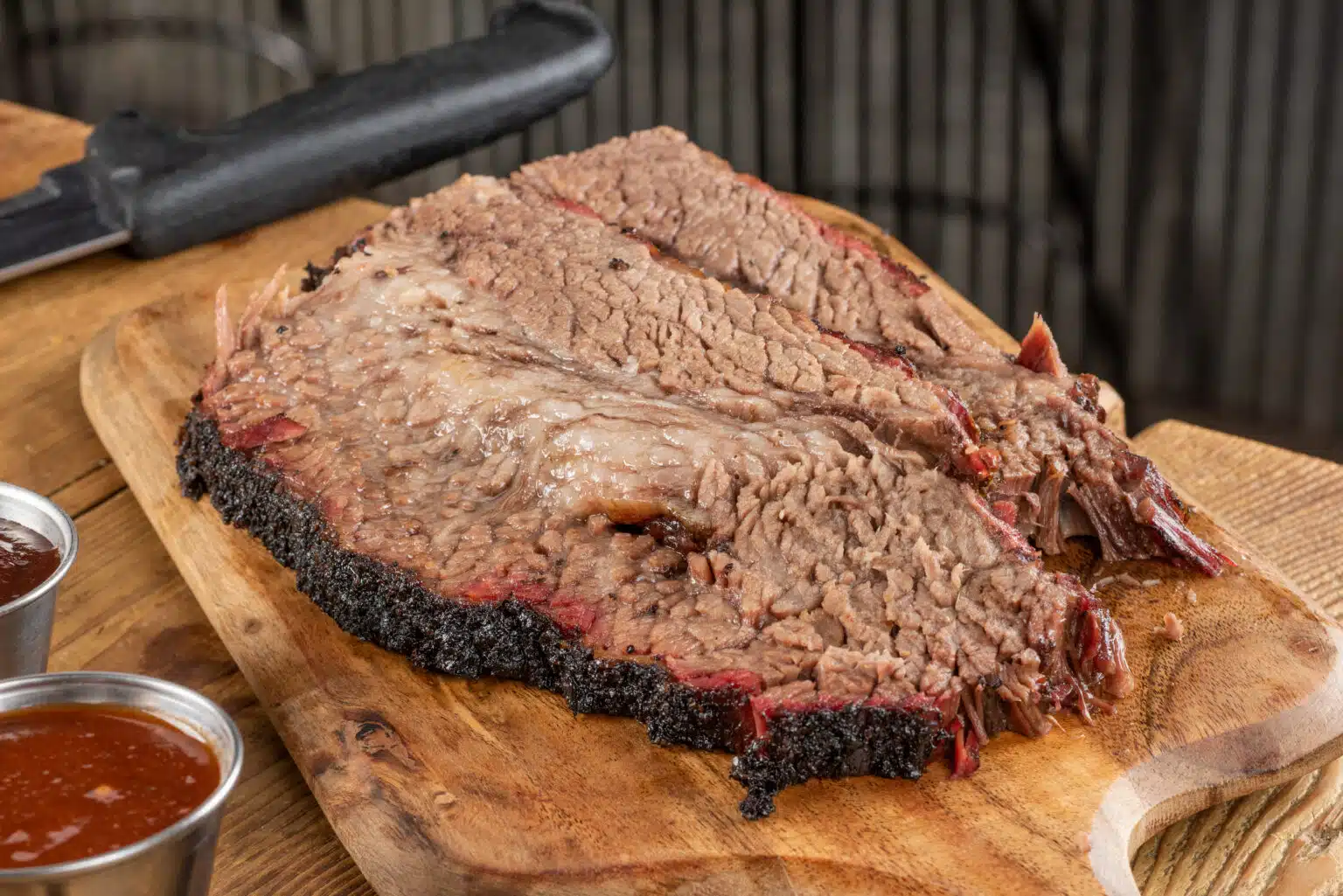
For diners interested in Southern flavors, smoked brisket, ribs, fried chicken, and chicken and waffles are dishes to consider. Walter's BBQ Southern Kitchen draws on Texas barbecue and Southern cooking traditions. Check the current menu for the dishes available during your visit.
What are some of Pittsburgh's unique restaurants?
Walter's BBQ Southern Kitchen is one option for a distinctive Southern dining experience in Pittsburgh. Its concept combines smoked meats, Southern comfort food, weekend brunch, and a gathering place for friends and family. The restaurant is located on Butler Street in Lawrenceville.