The Enduring Popularity of the Irish Pub NYC Lifestyle

New York has always had places where the city loosens its collar. Some are loud and fashionable for a season. Some flare up around a scene, a chef, a neighborhood moment, then fade when rents rise or tastes shift. The Irish pub has proven different. It has survived recessions, smoking bans, cocktail booms, sports bar chains, and every wave of nightlife reinvention because it offers something more stable than novelty. It offers a way of being in the city.
That distinction matters. People do not just visit an Irish Pub NYC regulars love because they want a pint. They go because these rooms solve a very New York problem: how to feel known in a place that can make even longtime residents feel anonymous. A good Irish pub creates familiarity without pressure. You can walk in alone and not feel conspicuous. You can meet colleagues after work and not have to perform sophistication. You can bring visiting family and trust the room to work for a mixed crowd. In a city built on movement, ambition, and overstimulation, that kind of social reliability has real value.
The staying power of the Irish pub in New York comes down to a blend of hospitality, ritual, neighborhood identity, and practical design. None of those qualities is accidental. Owners who run successful pubs for decades understand that atmosphere is not decoration alone. It is timing, staffing, pricing, music volume, lighting, glassware, menu discipline, and a thousand small judgments made consistently over time.
A room that knows its job
Step into a well-run Irish pub in Manhattan, Queens, Brooklyn, or the Bronx and one thing often becomes clear within a minute: the room knows what it is for. That may sound simple, but many bars fail precisely because they try to be too many things at once. They chase brunch, then bottle service, then craft beer hype, then a social media identity that looks better on a phone than it feels in person.
The Irish pub tradition resists that drift. Its best versions are not rigid, but they are clear. The bar is a place to sit, not just stand. There is usually enough wood, brass, and worn texture to soften the space, but not so much styling that it feels theatrical. The televisions, if present, support the room rather than dominate it. The menu is broad enough to keep people settled for a few hours, yet not so sprawling that the kitchen loses focus. Staff members know how to read a guest. They can leave a solitary drinker in peace, keep a round moving for six friends, or set a table for three generations without changing tone.
That clarity is one reason the Irish pub lifestyle travels so well across the five boroughs. A pub near the Financial District may catch after-work regulars in blazers and commuters https://www.google.com/maps?cid=8473725002387728261 waiting out train delays. A pub in Woodside or Sunnyside may feel more neighborhood-rooted, with familiar faces at the rail by late afternoon. An Upper East Side pub might serve young professionals one night and families after a weekend parade the next day. The specifics change, but the operating principle holds: this is a room meant for sustained use, not a quick transaction.
The social middle ground New Yorkers keep needing
New York excels at extremes. It offers world-class restaurants and cheap slices, exclusive clubs and corner delis, private members lounges and crowded subway platforms. What it often lacks is the social middle ground, places where people can gather without planning too much, spending too much, or signaling too much. The Irish pub fills that middle beautifully.
A neighborhood pub is one of the few urban venues where different age groups still overlap naturally. In many parts of city life, people sort themselves quickly by income, profession, taste, or life stage. The pub blurs those lines. A table of teachers may be next to a retired couple, a construction foreman, a group of medical residents, and two tourists who wandered in because the weather turned. That mix is not just charming. It is healthy for city culture. It keeps public life from becoming overly segmented.
There is also a practical reason the model works. Irish pubs are built for dwell time. You can nurse one drink and not be punished by the room. You can add a sandwich, another round, maybe dessert, and the evening develops at its own pace. Compare that with many trend-driven bars, where the environment pushes turnover through noise, cramped standing layouts, or menus that reward quick consumption rather than staying. The pub invites lingering, and lingering is how urban relationships are actually formed.
A lot of friendships in New York begin in repeat encounters rather than formal plans. The person you see every Thursday after softball. The bartender who remembers your order after three visits. The couple at the next table who become your trivia teammates. The old-school Irish pub is unusually good at allowing those low-stakes connections to happen. It makes room for acquaintance, which is often the bridge to belonging.
More than nostalgia, even when nostalgia helps
It would be easy to explain the appeal purely through nostalgia. Certainly, some pubs trade on memory. They evoke immigration histories, inherited recipes, old photographs, Gaelic signage, and the kind of dark polished interiors that make people feel they have stepped out of New York’s frantic present and into something steadier. That emotional pull is real, and for many Irish Americans it carries family resonance. For others, it offers a romantic idea of rootedness.
Still, nostalgia alone does not keep a business full year after year. Plenty of themed spaces feel stale once the novelty wears off. The more durable truth is that the Irish pub offers contemporary utility wrapped in historic comfort. It is one of the few formats that can satisfy several needs at once: a casual meal, a date spot, a place to watch a match, a refuge during bad weather, an after-funeral gathering place, a low-pressure first meeting with new coworkers, a late lunch with a parent, a holiday haunt for people not going home.
That flexibility is not glamorous, but it is powerful. New Yorkers reward places that can be folded into actual life. The pub remains popular because people can use it repeatedly across changing circumstances. At 25, it is where you meet friends before deciding whether the night will become bigger. At 35, it may be where your office escapes at 6:15 and your spouse meets you at 7. At 50, it might be where you catch a quiet pint after work and recognize half the room. At 70, it can feel like one of the last places in the city where no one hurries you.
Hospitality that looks effortless because it is practiced
The best Irish pubs make service look natural. That is usually the result of discipline, not luck. A bartender in this environment does more than pour correctly. They regulate pace, maintain the room’s emotional temperature, spot trouble before it blooms, and decide when friendliness should become familiarity. Great pub staff are often masters of calibrated attention. They know the difference between a customer who wants conversation and one who wants dependable silence.
This style of hospitality matters in New York, where people are often overscheduled and overstimulated. Not every outing needs to become an experience. Sometimes what a guest really wants is a seat, a clean pint, a hot plate of food, and the feeling that the place can carry them for ninety minutes without demanding anything extra. That is one of the subtle luxuries of the Irish pub. It treats ease as a serious craft.
Food plays a larger role than outsiders sometimes assume. A pub kitchen does not need molecular flourishes to win loyalty. It needs consistency, generous portions, and good timing. Soup that arrives hot in winter. Fish and chips with a crust that stays crisp. Shepherd’s pie that tastes cared for rather than mass-produced. A burger cooked to the requested doneness. Soda bread that feels like somebody in the building respects what they are making. Even guests who come for drinks often stay because the food makes another round seem sensible.
From an operator’s point of view, this matters as much as sentiment. A pub that can feed people reliably through lunch, happy hour, dinner, and late evening has a more resilient business than a bar dependent on one nightly rush. The Irish pub lifestyle survives because it is emotionally appealing and economically practical.
Sport, music, and the shared pulse of the room
One underappreciated strength of the Irish pub is how well it handles collective attention. Plenty of bars show sports. Far fewer know how to integrate sports into the atmosphere without flattening everything else. A serious pub can host Premier League in the morning, Gaelic football for a niche but loyal crowd, rugby during tournament stretches, and playoff games for American leagues, all while remaining a pub rather than turning into an all-purpose screen farm.
That balance comes from restraint. The televisions are there for people who care, but the room usually still allows a conversation. The game brings a pulse, not total domination. Even when a major match pulls in a packed house, the best pubs preserve some sense of convivial order. Fans cheer, sing, groan, and buy rounds, but the room still feels social rather than combative.
Music works similarly. Live trad sessions, a singer with a guitar on a Sunday afternoon, or carefully chosen recorded music can deepen the identity of a place. Badly managed, it becomes background clutter or forced authenticity. Well managed, it tells guests the pub is alive to rhythm and memory. There is a reason many people speak about a favorite pub less in terms of décor than in terms of feel. They remember the hum at 7 p.m., the volume of the crowd after a score, the softness of the corner booth, the song that came on just as the second round landed.
That sensory memory is powerful. It is part of why a pub can become a personal landmark in someone’s life. New Yorkers often measure time by addresses. Where they lived, where they worked, where they met people, where they kept returning. A pub that gets the atmosphere right earns a place in that private map.
The economics of comfort
There is a practical side to the Irish Pub NYC appeal that should not be ignored. New York is expensive. Every resident knows the arithmetic of deciding whether a night out is worth it. Venues that survive long term usually understand perceived value better than trendy operators do. A pub does not need to be cheap to feel fair, but it must feel fair.
Fair pricing is partly about the drink itself. If a pint arrives well kept, correctly poured, and cold enough, people forgive a lot. If the whiskey list is thoughtful rather than inflated for show, guests notice. If the kitchen serves substantial portions without pretending that scarcity is sophistication, regulars come back. Hospitality businesses live or die on repeat trade, and repeat trade is built on the customer’s quiet internal judgment that the experience matched the bill.
Comfort also has financial dimensions beyond menu prices. The pub is one of the few venues where a group can scale its spending naturally. One person can have a beer and leave. Another can stay for dinner and three rounds. A birthday table can order widely without the place turning into a special-occasion trap. That flexibility broadens the audience and keeps the room democratic.
For city residents, that matters more than branding language ever will. A place becomes beloved when people know they can count on it through lean months and celebratory ones alike. The Irish pub has enduring appeal because it remains available to ordinary life, not just curated nights.
Neighborhood institutions in a city that keeps erasing itself
Every New Yorker has watched a familiar storefront disappear. A diner closes. A hardware store becomes a bank. A family-run café gives way to a chain with clean fonts and no memory. Against that churn, long-standing pubs often function as anchors. They hold neighborhood continuity in a form people can actually use.
This is especially important in areas where demographics shift quickly. A pub can absorb change better than many businesses because it accommodates old residents and new ones at the same time. The retired regular who has been drinking there for twenty years may share the room with tech workers who moved nearby six months ago. They are not living identical lives, but the pub gives them shared civic space. In a city often described through real estate, that kind of public overlap is increasingly rare.
The most successful pubs understand this responsibility, even if they would never use that language. They sponsor local teams, host fundraisers, remember wakes, donate gift cards to school raffles, and serve as informal information exchanges. During storms, blackouts, transit messes, or civic celebrations, the local pub often becomes a fallback meeting point. That role cannot be replicated by a concept bar designed mainly for weekend traffic.
There is also a subtler cultural function at work. Irish pubs have long been places where immigrant histories are preserved and adapted. In New York, that has never been a static story. The city’s Irish identity evolved across generations, neighborhoods, and class lines. Today’s pubs reflect that complexity. Some remain strongly tied to immigrant communities. Others are broader neighborhood institutions with Irish influence woven through food, language, sport, music, and hospitality style. The best ones avoid turning heritage into costume. They let tradition breathe.
What people are really buying
When people choose an Irish pub over sleeker options, they are rarely making a statement against modernity. More often, they are choosing coherence. They want a place where the promises are understandable and mostly kept.
They are buying a few things at once:
First, they are buying predictability in the best sense. Not monotony, but confidence that the place will deliver what it should.
Second, they are buying emotional range. A pub can hold celebration, grief, boredom, flirtation, solitude, and reunion without needing to reinvent itself for each one.
Third, they are buying relief from performance. You do not need a perfect outfit, a rehearsed story, or a hunger for spectacle to enjoy a pint at a good pub.
Fourth, they are buying time. Not rushed time, not optimized time, just usable time in a city that often treats every hour as a resource to extract.
That package has become more valuable as urban life grows more mediated. Reservations, algorithms, trending lists, and heavily branded dining experiences have their place. But they can make leisure feel managed. The Irish pub remains appealing because it still leaves room for chance. A night can unfold there rather than being preprogrammed.
The trade-offs, and why they do not diminish the model
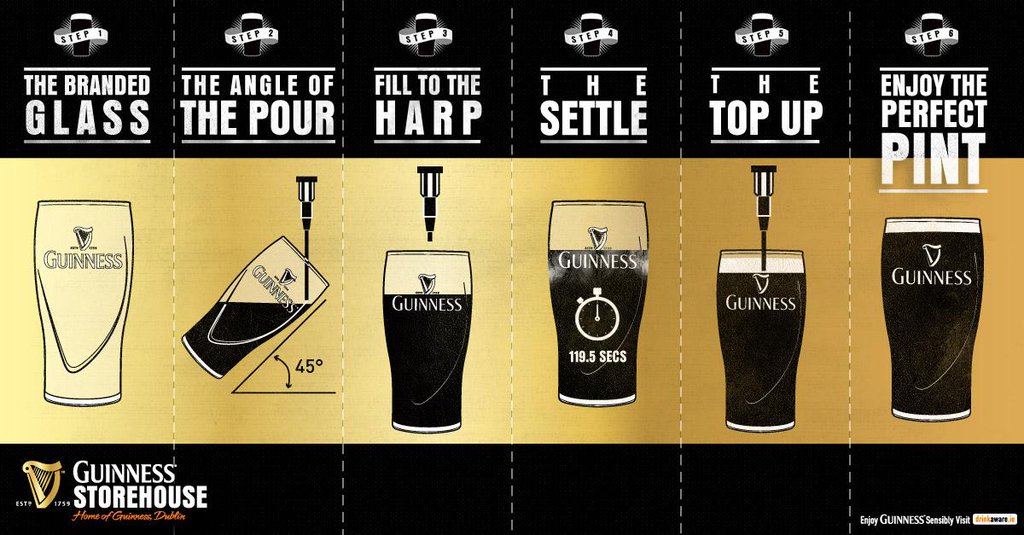
No format is perfect. Irish pubs can lean too heavily on cliché. Some rely on imported iconography instead of real warmth. Others let televisions overwhelm the room, or slip into menu complacency, or mistake familiarity for license to neglect upkeep. There are pubs where the Guinness reputation outpaces the actual pour, and pubs where service turns cold under pressure. Longevity can breed confidence, but it can also breed laziness.
Yet those flaws are not reasons the model fails. They are reminders that the format still depends on standards. A true pub lifestyle is not created by dark wood and a shamrock on the door. It is sustained by management decisions that support comfort, fairness, and continuity.
New York diners and drinkers are sharper than operators sometimes think. They know the difference between a room that merely looks like an Irish pub and one that behaves like one. The first may win tourists for a season. The second earns regulars for decades.
Why the appeal keeps renewing itself
Every generation seems to discover the Irish pub on its own terms. One cohort comes for live sport. Another comes because cocktail bars feel too contrived. Some arrive after work because the room is forgiving when they are tired. Others come seeking community in a city that can feel socially fragmented. Younger guests often find that what looked old-fashioned from the sidewalk feels refreshingly direct once they are inside.
That renewal happens because the core virtues are not tied to one age group. The pub offers steadiness without stiffness, sociability without theatricality, and tradition without requiring expertise from the guest. You do not need to know a tasting vocabulary. You do not need a reservation strategy. You just need the willingness to enter, take a seat, and let the room do some of the work.
That may be the deepest reason the Irish pub lifestyle endures in New York. The city changes constantly, but human needs do not change as quickly. People still want places that are warm when it is cold out, lively when they feel flat, and familiar when the week has gone sideways. They still want to be fed, recognized, and included without too much effort. The Irish pub continues to meet those needs with unusual grace.
As long as New York remains a city of hard work, crowded schedules, and restless movement, there will be demand for rooms that offer steadiness and convivial ease. That is not a trend. It is a durable urban instinct. The Irish pub has understood it for a very long time, which is why the lights are still on, the barstools are still full, and the lifestyle still feels entirely at home in this city.
Hibernia Bar
401 W 50th St
New York, NY 10019, United States
Phone: +1 212-969-9703
FAQ About Irish Pub NYC
What is the best Irish pub in NYC?
The best choice depends on your location and preferred atmosphere. Hibernia Bar is a neighborhood Irish pub in Hell's Kitchen offering Guinness, Irish whiskey, pub food, and sports viewing.
Where do Irish people go in NYC?
New York's Irish community gathers in many neighborhoods and venues. Hibernia Bar welcomes Irish expats, local residents, and visitors at 401 W 50th St, just off Ninth Avenue.
Where can I watch GAA games in New York?
Hibernia Bar lists GAA among the sports it shows. Call +1 212-969-9703 to confirm coverage and opening times for a particular match before visiting.
What is the difference between a bar and a sports bar?
A sports bar emphasizes televised games and a shared viewing atmosphere. Hibernia combines sports viewing with the food, drinks, and hospitality of a neighborhood Irish pub.